When temperatures drop, a few small habits can keep dogs and cats safer and more comfortable. This guide turns the ASPCA’s cold weather tips into a simple checklist you can use all winter.



Key takeaways
- If it is too cold for you, it is probably too cold for your pet, so keep animals indoors.
- Wipe paws and bellies after every walk to remove ice, salt and chemicals.
- Antifreeze is extremely dangerous to pets, so clean up spills right away.
- Keep dogs on a leash in snow and ice, and make sure ID tags are current.
Keep pets indoors and warm
The ASPCA’s simple rule of thumb is that cold you feel is cold your pet feels too. Pets left outside can become disoriented, lost, stolen, injured or worse. The ASPCA also warns against leaving a pet alone in a car in cold weather, because a parked car holds in the cold like a refrigerator.
Inside, give your pet a warm, draft-free place to sleep, raised off the floor, with a cozy bed and a blanket. Pets burn more energy staying warm, so the ASPCA suggests feeding a little extra in winter and making sure fresh water is always available. Running a humidifier can also help with dry winter air.
Protect paws and skin
Winter walks bring ice, salt and sand, and chapped paws and itchy, flaking skin are common problems. Try these steps:
- Before going out, rub petroleum jelly or another vet-approved paw protectant into the pads. Booties can also keep salt and sand out from between the toes.
- After each walk, wash and dry the feet and belly. Check for cracked pads or redness between the toes, and clear any snowballs from between the pads.
- Bring a towel on long walks and towel-dry your pet as soon as you come inside.
- Use pet-friendly ice melts around your home whenever possible, and keep all ice-melt products out of reach.
Coats, trims and baths
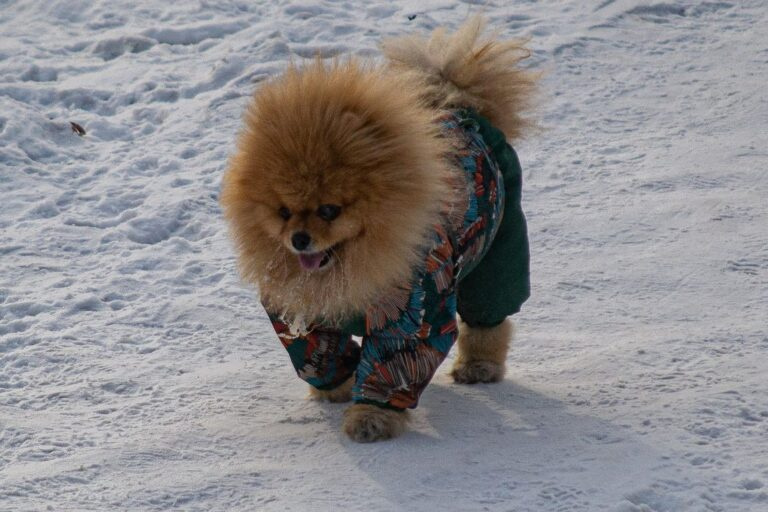
Never shave a dog down to the skin in winter. Longer-haired dogs can be trimmed to reduce ice balls and salt sticking to the coat, including the hair between the toes. Short-haired dogs may need a coat or sweater with a high collar that covers them from the base of the tail to the belly. Bathe as little as possible in cold spells, because baths strip natural oils and can worsen dry skin. If your pet needs one, ask your vet about a moisturizing shampoo or rinse.
Antifreeze and other poisons
The ASPCA calls antifreeze lethal to dogs and cats and urges owners to clean up spills thoroughly. It suggests choosing products made with propylene glycol rather than ethylene glycol. Store antifreeze, ice melts and other chemicals where pets cannot reach them. If you think your pet swallowed antifreeze or another toxin, contact your veterinarian or ASPCA Poison Control right away at (888) 426-4435. For more on household dangers, see our guide to foods toxic to dogs and cats.
Prevent lost pets
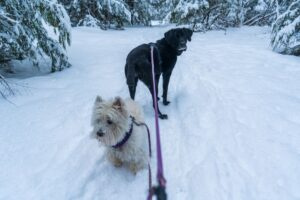
The ASPCA says more dogs are lost in winter than in any other season. Snow and ice can mask familiar scents, so a dog that runs off may not find the way home. Never let your dog off leash on snow or ice, especially during a snowstorm, and keep ID tags up to date. It is also smart to have a plan ready for bad weather, as described in our pet emergency kit and evacuation plan guide.
Winter pet checklist
- Keep pets inside when it is cold, and never leave them alone in a parked car.
- Set up a warm, draft-free, raised bed.
- Feed a little extra and keep fresh water out.
- Apply a paw protectant before walks and wipe paws and belly afterward.
- Clean up antifreeze spills and store chemicals safely.
- Keep your dog leashed and ID tags current.
FAQ
Should I shave my dog for winter?
No. The ASPCA advises against shaving a dog down to the skin in winter. Trimming longer hair, including between the toes, is fine.
Why do I need to wipe my pet’s paws after walks?
Ice-melt chemicals and salt can irritate paws, and pets may lick them off and swallow them. Washing and drying the feet and belly removes them.
Do pets need more food in winter?
The ASPCA says pets burn more energy keeping warm, so a little extra food can help. Ask your vet what is right for your pet.
What should I do if my pet swallows antifreeze?
Contact your veterinarian or ASPCA Poison Control immediately at (888) 426-4435.
This is general information, not personal veterinary advice. Check with your veterinarian about your own pet’s needs.
Information checked on November 24, 2026.
Sources
ASPCA, “Cold Weather Safety Tips” (aspca.org, pet care section), read November 24, 2026. Photos are stock images for illustration.