Everyone has hard days. This guide explains, using the National Institute of Mental Health (NIMH) and the 988 Lifeline, when low mood, worry or stress is worth getting professional help for, and how to reach free help at any hour.



Key takeaways
- The NIMH says to seek professional help for severe or distressing symptoms that last two weeks or more.
- If you are thinking about suicide or hurting yourself, call or text 988, or chat at 988lifeline.org. It is free, confidential and open 24 hours a day, 7 days a week. In a life-threatening emergency, call 911.
- You do not have to be in crisis to call 988.
Mild and short-lived, or severe and lasting?
The NIMH splits symptoms by how strong they are and how long they last.
- Mild symptoms for less than two weeks (feeling sad, stressed or worried but still able to function, being tired, having less interest in things, some sleep trouble): try self-care such as exercise, healthy eating, 7 to 9 hours of sleep, time with loved ones, breathing or meditation, and low-stress activities. If these do not help or symptoms get worse, talk to a health care provider.
- Severe symptoms for two weeks or more (feeling sad, tearful or hopeless; irritable; worthless or guilty; low energy; loss of interest; trouble concentrating or deciding; trouble completing usual tasks; changes in appetite, weight, sleep or sex drive): the NIMH says to seek professional help. Therapy and medication are the common treatments it lists.
A good first step is a primary care provider, who can refer you to a psychologist, psychiatrist or clinical social worker.
Warning signs of suicide
The NIMH lists these signs. Get help as soon as possible, especially if the behaviour is new or has increased recently.
- Talking about wanting to die, great guilt or shame, or being a burden to others.
- Feeling empty, hopeless, trapped or that there is no reason to live; extremely sad, anxious, agitated or full of rage; unbearable emotional or physical pain.
- Changing behaviour: making a plan or researching ways to die; withdrawing from others, saying goodbye, giving away important items or making a will; taking dangerous risks; extreme mood swings; eating or sleeping more or less; using drugs or alcohol more often.
How to reach 988
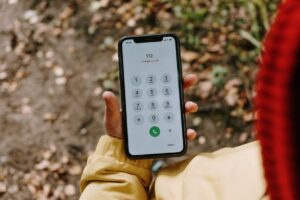
- Call or text 988, or chat through the 988 Lifeline website. It is free, confidential and available 24/7.
- You do not have to be suicidal. The Lifeline lists reasons to call that include substance use, money worries, relationship problems, illness, depression and loneliness.
- Spanish: call 988 and press 2, or text AYUDA to 988.
- Veterans: call 988 and press 1, or text 838255.
- Deaf and hard of hearing: there is a 988 videophone service for American Sign Language users. TTY users can use their relay service or dial 711, then 988.
Frequently asked questions
How long is too long to feel low? The NIMH uses two weeks for severe symptoms. Sooner is fine if you are worried.
Is 988 only for emergencies? No. You can call to talk about many kinds of distress.
What if someone I know is in danger right now? Call 911 for life-threatening situations, or call or text 988.
This article is general information based on guidance from the NIMH and the 988 Suicide & Crisis Lifeline. It is not personal medical, legal or financial advice. Talk to a qualified professional about your situation.
Information checked on November 17, 2026.
Sources
National Institute of Mental Health, “Caring for Your Mental Health” (reviewed April 2026), “My Mental Health: Do I Need Help?” (revised 2025) and “Warning Signs of Suicide” (revised 2025); 988 Suicide & Crisis Lifeline (988lifeline.org). Phone options and services can change, so check the Lifeline site. Photos are stock images for illustration.
Health note: this article is for general information and is not medical advice. Speak to a qualified health professional about your own situation.