Key takeaways
- The US Department of Energy’s FuelEconomy.gov says an electric vehicle’s range can drop by about 41% in cold weather (20°F, mixed city and highway driving), and its fuel economy by roughly 39%.
- About two-thirds of the extra energy used is for heating the cabin. With the heater off, range is only about 12% lower at 20°F than at 75°F.
- The EV figures come from a 2019 AAA study. Effects vary by vehicle model.
- Preheating the cabin while the car is plugged in, and using seat warmers instead of the cabin heater, can extend range, according to the DOE.
This article is general information based on US Department of Energy figures. Your results depend on your vehicle, driving and weather. Check your owner’s manual.

How much range do EVs lose in the cold?
FuelEconomy.gov, run by Oak Ridge National Laboratory for the US Department of Energy and the EPA, says: “For electric vehicles (EVs), fuel economy can drop roughly 39% in mixed city and highway driving, and range can drop by 41%.” That’s at 20°F, compared with normal temperatures (around 75–77°F).
Where does the loss come from? The DOE says “about two-thirds of the extra energy consumed is used to heat the cabin.” And when the heater isn’t used:
- EV fuel economy is 8% lower at 20°F than at 75°F.
- Driving range is about 12% lower.
So most of the winter hit comes from keeping you warm, not from the cold itself.
Where these numbers come from
The DOE says its EV estimates are based on a 2019 study by AAA (AAA Electric Vehicle Range Testing). The DOE adds that “cold weather effects can vary by vehicle model.” Because the study is several years old and covers specific vehicles, newer cars may do better or worse. Treat 41% as a rough benchmark, not a promise for your car.
Why cold weather hurts
The DOE lists several reasons that apply to all vehicles, including EVs:
- Heaters, heated seats and defrosters use additional power.
- Battery performance decreases in cold weather. The DOE says this also affects the regenerative braking system on hybrids, plug-in hybrids and EVs.
- Colder air is denser, increasing aerodynamic drag, especially at highway speeds.
- Tire pressure decreases in colder temperatures, increasing rolling resistance.
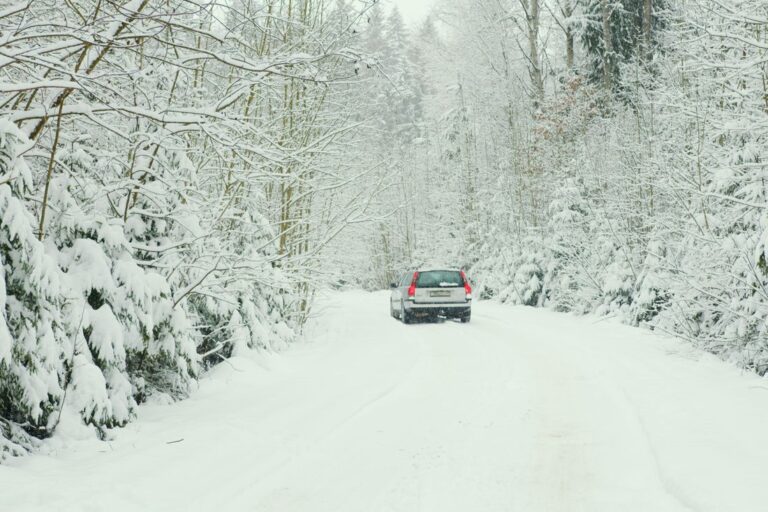
- Icy or snow-covered roads decrease your tires’ grip and waste energy. Safe speeds on slick roads can be much lower than normal, which further reduces efficiency, especially below 30 to 40 mph.
For comparison, the DOE says a conventional gasoline car’s mileage in city driving is roughly 15% lower at 20°F than at 77°F, and the effect on hybrids is typically greater (about 30% to 34%). So every kind of vehicle loses efficiency, but EVs lose range the most when the heater is on.
What can help, according to the DOE
For plug-in hybrids and EVs, the DOE says:
- Preheat the cabin while the car is plugged in. This “can extend your vehicle’s range.”
- Use the seat warmers instead of the cabin heater where you can. It can “save energy and extend range.”
- Keep the battery charged. For EVs, this “helps maximize your driving range.” Check your owner’s manual for charging advice for your vehicle.
- Avoid hard braking. Anticipate stops and brake gently so regenerative braking can recover energy. Hard braking uses the conventional friction brakes, which do not recover energy.
- Use the economy mode, if your car has one. It may limit performance such as acceleration to save energy.
- Use accessories wisely. The DOE says heating, air conditioning and entertainment systems can lower efficiency on all vehicles, and have a greater effect on hybrids and electrics.
General cold-weather tips that also apply to EVs:
- Park in a warmer place, such as a garage, to raise the starting temperature of the car and cabin.
- Combine trips.
- Check your tire pressure regularly. See our guide to tire pressure and the TPMS warning light.
- Remove roof racks and other accessories that increase wind resistance when not in use.
The DOE also advises: “Read the owner’s manual,” because “these vehicles can vary significantly in design, especially the way they manage energy use. Tips that apply to one model may not apply to another.”
If you’re planning a winter trip
This section is common-sense planning, not DOE advice:
- Assume less range than the summer figure, and leave a margin.
- Know where chargers are along your route.
- Precondition the car while it’s plugged in before you leave.
Is an EV still a good choice in cold climates?
That depends on your driving, charging access and climate, and this article doesn’t try to answer it. For a broader comparison, see our guide to hybrid vs plug-in vs electric vs gas cars.
Frequently asked questions
How much range does an EV lose in cold weather? The DOE says about 41% at 20°F in mixed driving with the heater on, based on a 2019 AAA study. It varies by model.
Is it the cold or the heater? The DOE says about two-thirds of the extra energy is used to heat the cabin. With the heater off, range is about 12% lower at 20°F.
Does preheating help? The DOE says preheating the cabin while the car is plugged in can extend range.
Do gas cars lose mileage in the cold too? Yes. The DOE says roughly 15% lower in city driving at 20°F, and more on short trips.
Information checked on: November 13, 2026. Figures are the DOE’s published estimates and may be updated.
Sources
- US Department of Energy and EPA, FuelEconomy.gov, “Fuel Economy in Cold Weather” (fueleconomy.gov/feg/coldweather.shtml), including its “Sources” note
- US Department of Energy and EPA, FuelEconomy.gov, “Tips for Hybrids, Plug-in Hybrids, and Electric Vehicles” (fueleconomy.gov/feg/evtips.shtml)