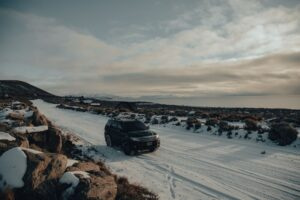
If your car breaks down in a storm, a few items and a few habits can make a big difference. The U.S. government’s Ready.gov site, run by FEMA, gives simple advice on preparing a car for winter weather and other emergencies. This guide puts that advice in plain language.

Key takeaways
- Keep a basic emergency kit in the car, not in the house.
- Have a mechanic check key systems, such as the battery, brakes and lights, before bad weather arrives.
- Keep your gas tank full.
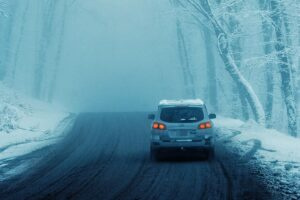
- If you are trapped in your car during a winter storm, stay inside.
What to keep in the car
Ready.gov says to keep an emergency supply kit in your car in case you are stranded. Its car safety page lists these extras:
- Jumper cables
- Flares or a reflective triangle
- An ice scraper
- A car phone charger
- A blanket
- A map
- Cat litter or sand, which can help your tires grip
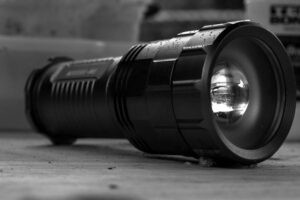
Its winter weather page adds a flashlight, warm clothes, bottled water and non-perishable snacks. Check the kit now and then so nothing has gone missing or gone bad.
Get the car checked first
Ready.gov suggests having a mechanic look at these things before an emergency:
- Antifreeze level
- Battery and ignition system
- Brakes
- Exhaust system
- Fuel and air filters
- Heater and defroster
- Lights and hazard flashers
- Oil
- Thermostat
- Windshield wipers and washer fluid
The page also recommends good winter tires with enough tread, or any chains or studs required where you live. For more on tires, see our guide to tire pressure and the TPMS warning light.
Smart habits on the road
- Keep the tank full. Ready.gov says this helps in an evacuation or power outage, and also helps keep the fuel line from freezing.
- Plan long trips. Listen for weather and road reports, and drive in bad weather only if you truly must.
- Turn off cruise control on slippery, icy or snowy roads.
- Avoid flooded roads. The site says six inches of water can cause a loss of control or stalling, and a foot of water can float many cars.
- If the car gets hard to control, pull over, stop and set the parking brake.
- If a power line falls on your car, stay inside until a trained person removes it.
If you get stuck in winter weather
Ready.gov advises staying off the roads if at all possible, and if you are trapped in your car, to stay inside. Winter storms raise the risk of crashes, hypothermia, frostbite and carbon monoxide poisoning. Its advice for cold-related illness includes moving to a warm room, keeping dry and wrapped in blankets, and not massaging frostbitten skin. The page says a body temperature below 95 degrees is an emergency. Call emergency services if anyone is in danger.
Quick checklist
- Pack the kit and check it each season.
- Book a mechanic check before winter.
- Look at your tires and tread.
- Fill the tank before a trip or a storm.
- Check forecasts and road conditions before you leave.
FAQ
Should I keep the kit in the trunk?
Ready.gov says to keep it in your car. Make sure you can reach it easily.
Is a full tank really necessary?
The site recommends it for evacuations, power outages and to help keep fuel lines from freezing.
Can I drive through shallow floodwater?
Ready.gov warns against driving through flooded areas. Even six inches of water can cause problems.
What if I am stranded?
The site says to stay in the car if you are trapped in winter weather. Your own situation may differ, so use local emergency guidance.
This is general information, not personal safety or professional advice. Please check official sources and ask a qualified mechanic about your own vehicle.
Information checked on 19 November 2026.
Sources
Ready.gov (U.S. Department of Homeland Security / FEMA): “Car Safety” and “Winter Weather” pages, checked 19 November 2026.